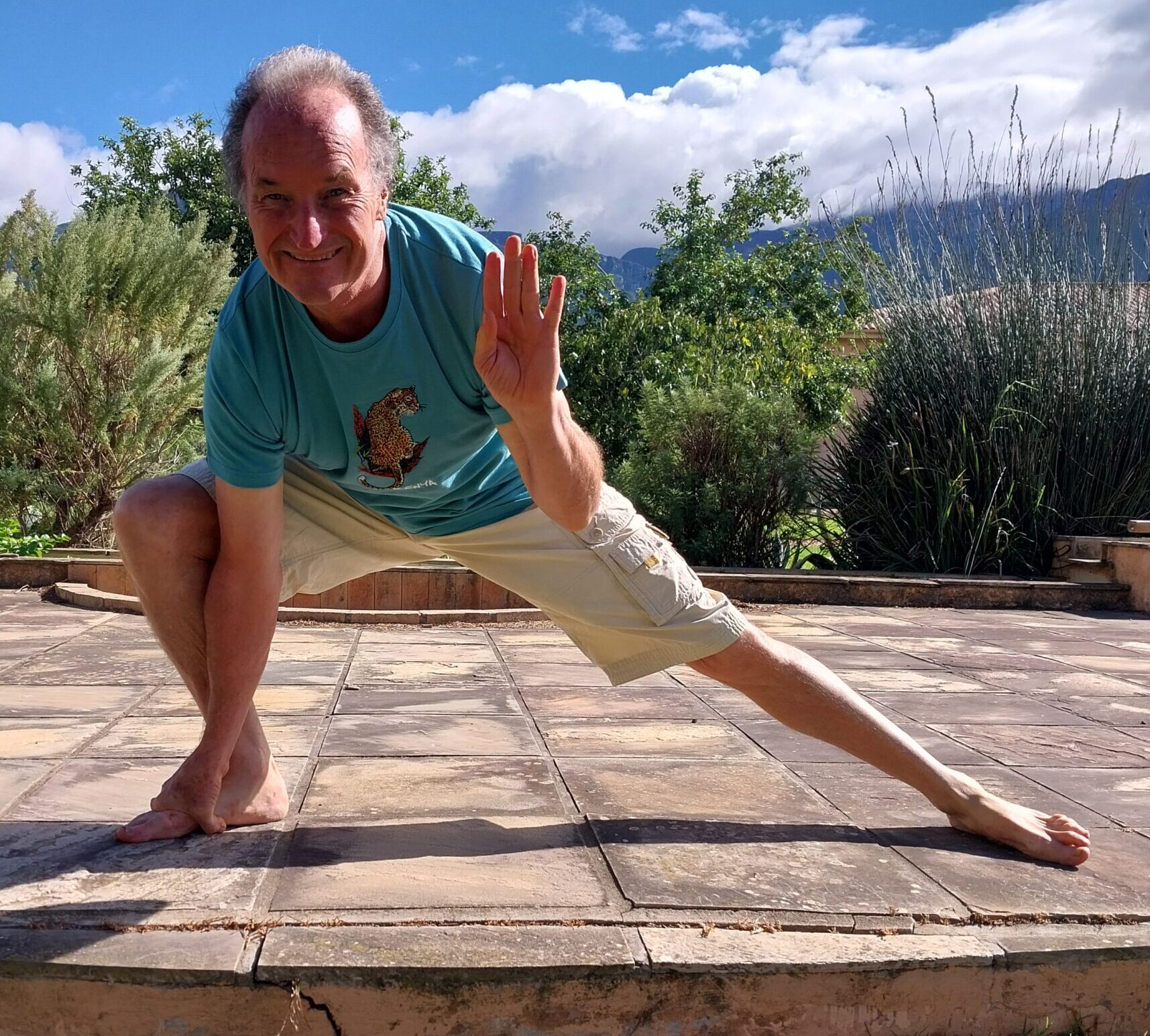

Welcome to Ayurveda with Jim Montrose, the science of life.
A path to harmony with nature, balance, vitality and calm.
Ayurveda is a holistic health system from India that focuses on maintaining balance between body, mind, and environment to prevent
disease and support long-term wellbeing. Join Jim to benefit from millennia old health system that is being verified by modern medical breakthroughs to live your best life. Sign up for the Ayurveda Forum for tips, articles and hints at the end of this article, scroll to bottom and consider a one-to one consultation with Jim.
✅ Core Principles:
Ayurveda maintains that strong digestion, balanced doshas, aligned daily routines, seasonal adaptation, and mental calm (managing our emotional poise) together create lasting health and disease prevention.
1. Body Types (Doshas)
Each person has a unique combination of three biological energies:
- Vata (air/space) – movement, nervous system, creativity.
- Pitta (fire/water) – digestion, metabolism, transformation.
- Kapha (earth/water) – structure, stability, immunity.
Health is the state where these energies remain balanced relative to a person’s natural constitution. And work together to create harmony.
2. Gut Health & Digestion (Central Concept)
Ayurveda considers digestion the foundation of health through the concept of Agni (digestive fire).
Agni – Digestive Fire
Agni governs how well the body:
- digests food
- absorbs nutrients
- eliminates waste
- maintains immunity and energy
Balanced digestion leads to vitality, while weak or irregular digestion leads to toxin buildup.
Ama – Toxin Buildup
When digestion is poor, partially digested food forms Ama, a sticky metabolic residue believed to:
- clog bodily channels
- weaken immunity
- contribute to inflammation and disease.
Digestive Types
Digestive strength often mirrors dosha tendencies:
- Vata digestion: irregular appetite, bloating, gas.
- Pitta digestion: strong appetite, sensitive to excess acidity.
- Kapha digestion: slow digestion, heaviness after meals.
Supporting Healthy Digestion
Common Ayurvedic digestive practices include:
- eating warm, cooked foods
- using digestive spices (ginger, cumin, fennel)
- drinking warm water
- avoiding overeating or late-night meals
- eating the largest meal at midday when digestion is strongest.
3. Diagnostic Approaches
Ayurveda evaluates health holistically, with a number of techniques and digestion as a key indicator.
Common assessments include:
- Pulse reading (Nadi Pariksha) to assess dosha balance.
- Tongue observation to detect signs of toxin buildup or digestive imbalance.
- Observation of digestion and elimination (appetite, bloating, stool quality).
- Skin, eyes, and voice assessment.
- Lifestyle and emotional pattern analysis.
The goal is to identify imbalance before disease fully develops.
4. Food & Diet
Food is considered medicine and chosen to balance doshas:
- Vata: warm, moist, grounding foods.
- Pitta: cooling, mild, less spicy foods.
- Kapha: light, warm, stimulating foods.
Ayurveda emphasizes:
- fresh, seasonal foods
- proper food combinations
- eating according to digestive capacity.
- See Jim’s Real Food Workbook and others for food plan and details.
5. Eating Routines
Eating habits strongly influence digestion.
Key principles:
- eat at regular times
- main meal midday when digestion is strongest
- eat slowly and mindfully
- avoid heavy food late at night
- allow digestion (3-4 hours) between meals.
6. Detoxification
Ayurveda periodically removes toxins and restores digestive strength.
Methods may include:
- light mono-diets (such as rice and lentil dishes)
- herbal support
- sweating therapies
- oil treatments
- traditional detox programs such as Panchakarma. See the Reset cookbook and detox plan later this year, 2026
7. Daily Lifestyle (Dinacharya)
Daily routines help maintain balance:
- waking early
- tongue scraping and oral care
- oil pulling and self-massage (abhyanga)
- yoga or movement
- regular meals and sleep schedule.
- eat slowly and mindfully
- Vata is active 4 hours before and until sunrise and sunset.
- Pitta is active immediately after the end of Kapha and lasts for four hours.
- Kapha is active immediately after the end of Vata and lasts for four hours..
- E.G. if sunrise is at 7am, vata starts at 3am to 7am, Kapha 7am to 11am and Pitta is 11am to 3pm.
8. Exercise
Exercise is moderate and adapted to constitution:
- yoga, chi-gong. dance
- walking, running, hiking, swimming
- stretching and breathwork.
The goal is to energize the body without exhausting it.
9. Meditation & Mental Health
Mental balance supports physical health.
Common practices:
- meditation
- breathwork (pranayama)
- emotional release (meditation, tapping)
- mindfulness and stress reduction.
10. Life Cycles
Different life stages are dominated by different doshas:
- Childhood: Kapha (growth and development) childhood, young adult preparing for adult life.
- Adulthood: Pitta (activity and productivity) doing life, career, and family.
- Older age: Vata (change and degeneration) your wisdom years time of spiritual growth and re-creation (what you’ve always wanted to do).
11. Seasonal Routines (Ritucharya)
Lifestyle adapts to seasonal changes:
- Cold/dry seasons: nourish and warm to balance Vata.
- Hot seasons: cooling diet and rest for Pitta.
- Wet/heavy seasons: lighter food and activity for Kapha.
Additional Dosha (body type) practices
What Body type are you?
A short quiz (not totally accurate, schedule an exam with Jim to find your true body type call 071 959 0786):
Quick Way to Identify Your Ayurvedic Body Type
Most people are a mix, but these clues help you see your dominant dosha. Most people are a combination of two, and sometimes all three, but usually one dominates. Each type tends to do better with certain foods and lifestyles.
The 3-Question Dosha Test
Answer the question in each category with the option that fits you most of your life (not just recently). This is a rough approximation of your dosha and relies on you understanding your subconscious responses in your life, which is hard as we aren’t aware of our subconscious behaviors and often results in an inaccurate result. I recommend that you get an ayurvedic pulse diagnosis in-person with me or another practitioner to be sure you find your dosha correctly.
Body Build
- Thin / light / struggle to gain weight → 🌬️ Vata
- Medium / athletic → 🔥 Pitta
- Broad / sturdy / gain weight easily → 🌱 Kapha
Temperature Preference
- Often cold → Vata
- Often hot → Pitta
- Comfortable / slightly cool → Kapha
Personality Style
- Creative, fast thinking, changeable → Vata
- Focused, driven, intense → Pitta
- Calm, steady, patient → Kapha
👉 Tally the number of Vata, Pita, and Kapha responses. Whichever appears most often is likely your dominant dosha. Which dosha is yours?
Many people are dual types like Vata-Pitta or Pitta-Kapha.
Introduction to Ayurveda Simple Daily Meal Ideas
These are basic balanced day examples for each dosha (see the Real Food workbook for more guidance, available in the shop).
🌬️ Vata Day of Eating
Goal: warm, nourishing, grounding
- Irregular appetite and digestion
Foods that help balance Vata
Good choices:
- Cooked grains: rice, oats, quinoa
- Root vegetables: sweet potatoes, carrots
- Healthy fats: ghee, olive oil, avocado
- Warm milk, soups, stews
- Sweet fruits like mangoes, bananas
Foods to limit:
- Cold foods and drinks
- Raw salads
- Dry snacks (crackers, popcorn)
- Too much caffeine
Breakfast
- Warm oatmeal with cinnamon, dates, and milk
Lunch
- Rice
- Lentil dal
- Roasted sweet potato
- Cooked vegetables
Snack
- Warm herbal tea
- Almonds or banana
Dinner
- Vegetable soup or stew
- Quinoa or rice
Best spices: ginger, cinnamon, cumin
🔥 Pitta Day of Eating
Goal: cooling, calming
Foods that help balance Pitta
Good choices:
- Sweet fruits: melons, pears, grapes
- Vegetables: cucumber, leafy greens, broccoli
- Coconut, coconut water
- Dairy like nut or grain milk 9oat, almond) and ghee
- Grains: rice, wheat, barley
Foods to limit:
- Very spicy food
- Fried or oily foods
- Alcohol
- Too many tomatoes, onions, garlic
- Excess coffee
Breakfast
- Smoothie with coconut milk, berries, and oats
Lunch
- Basmati rice
- Steamed vegetables
- Mung beans or lentils
Snack
- Sweet fruit (pear, grapes, melon)
Dinner
- Salad with cucumber and greens
- Light grain like quinoa
Best spices: coriander, fennel, mint
🌱 Kapha Day of Eating
Goal: light, warming, stimulating
Foods that help balance Kapha.
Good choices:
- Spices: ginger, turmeric, black pepper
- Vegetables: leafy greens, asparagus, cabbage
- Legumes: lentils, chickpeas
- Light grains: barley, millet
- Apples, berries, pomegranates
Foods to limit:
- Heavy dairy
- Fried foods
- Sugar and sweets
- Large portions of wheat or rice
- Cold desserts and ice cream
Breakfast
- Ginger tea
- Fruit or light porridge
Lunch
- Large vegetable stir-fry
- Lentils or chickpeas
- Small portion of barley or millet
Snack
- Apple or berries
Dinner
- Vegetable soup with spices
Best spices: turmeric, ginger, black pepper
A Key Concept: Digestive Fire
Ayurveda calls digestion Agni.
Strong Agni means:
- Food digests well
- Nutrients absorb properly
- Energy and immunity improve
To support digestion:
- Eat warm cooked foods
- Avoid overeating
- Eat at regular times
- Limit iced drinks
Does this sound like the right program to explore for you? If it does check out my low-cost Introduction to Ayurveda PDF available at the shop. Purchase now and learn more about this exciting self-care system The Science of Self-care and Rejuvenation. Go to shop click here.
Ready to start your Ayurvedic journey, call Jim now to set up an appointment 071 959 0786, leave a message if Jim can’t answer when you call.