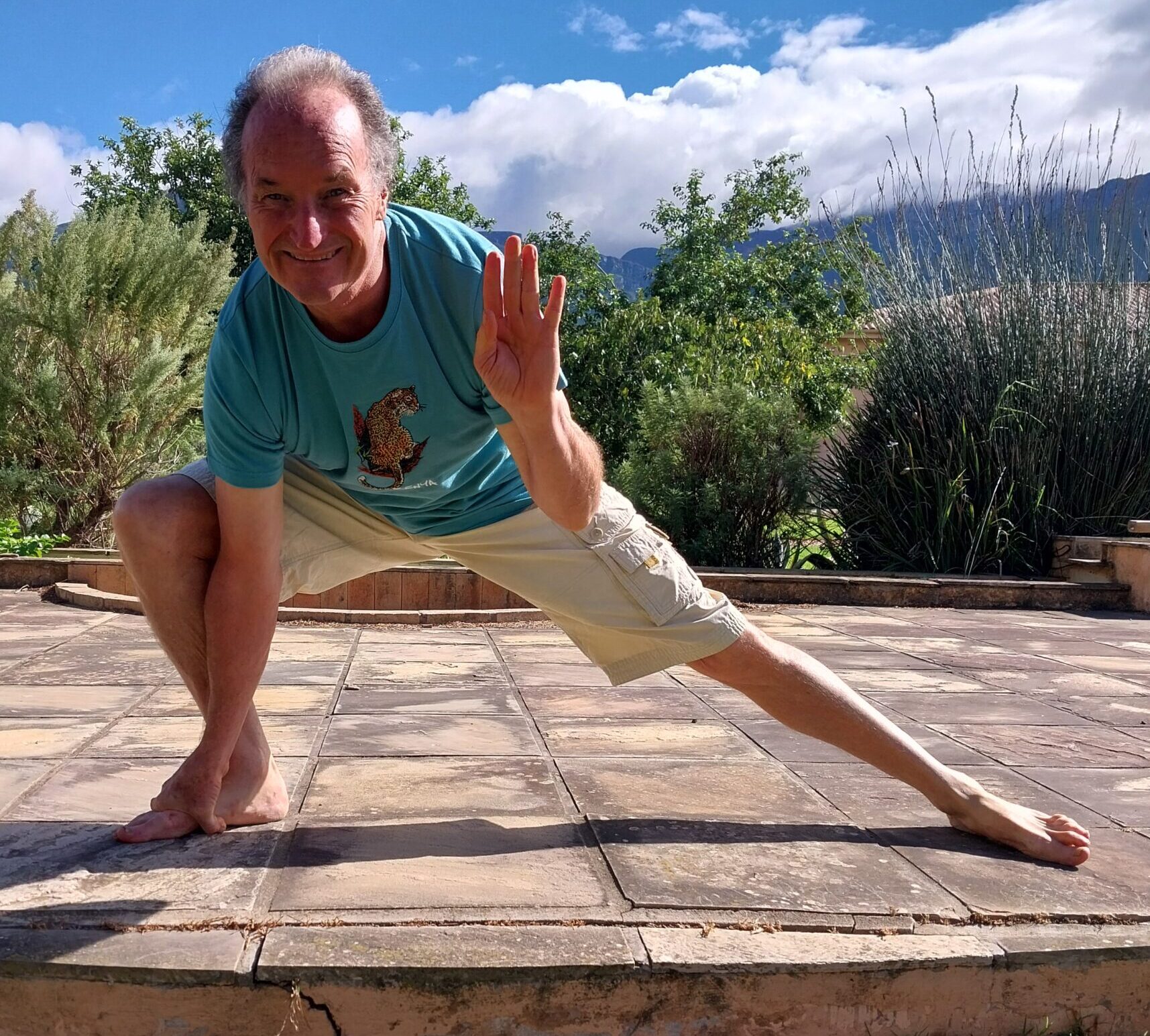


The Spring Routine
The spring routine balances the changes between the seasons and is a crucial time to adjust our lifestyle and daily routine. Ayurveda considers the transition from winter to spring as the most important transition that everyone should pay attention to and perform a lifestyle and routine adjustment. Spring is the time to balance the cool, damp, springtime weather.
This seasonal adjustment is a wonderful time to do a short detoxification and realignment of the body for every body type. Ayurveda teaches that each season reflects the inner and outer five elements: air, space, fire, water, and earth. We are part of the world around us and must adjust to the outer environment.
This is what makes seasonal care so important. Nature brings a transition from cold winters to damp, fresh springs. Our health can change in
each of the seasons. In Ayurveda, spring is the season of Kapha dosha, and it is characteristic of melting, dampness, and heaviness, requiring a routine
focused on lightening, drying, and warming the body.
The Ayurveda ritucharya, or seasonal routine for spring, balances the kapha dosha. This is especially important for anyone with present kapha imbalances or a predominantly kapha constitution. Here are the most important ways to protect our kapha in this season.
Manage Kapha for Spring
The primary steps to manage Kapha, even if Kapha isn’t your
primary dosha (body type) during the Spring season are:
1.
Wake early to counter the sluggish early morning
Kapha time (6am to 10am).This shift will increase your overall energy, lightness,
and vibrancy that no coffee can give you.
2.
Move your body to counterbalance Kapha’s
stagnant and sluggish tendency. A quick yoga routine (sun salutation), Chi Gong
sequence or brisk walk in the early morning can shake the sluggishness of Kapha.
Kapha reigns in the chest and head and accumulates in spring in the lungs
(asthma) and sinuses (allergies and colds). Opening the chest is important and
warming pranayama like bhastriki breath is ideal.
3.
Eat seasonal produce and switch to lighter foods,
in spring your digestion slows down to moderate from winter highs. The heavy
winter meals are no longer appropriate, and we need to switch to lighter and
drier foods. As well as Kapha tastes bitter,
astringent, and pungent tastes: foods and spices like ginger, cinnamon, cloves,
legumes, bitter spring greens, and lightly steamed vegetables.
Spring in-season fruits and vegetables
feature crisp greens, tender shoots, and early sweet berries.
·
Fruits – Strawberries; Avocados; Apples &
Pears; Citrus: Grapefruit, lemons, and oranges; Mangoes & Plums in
later spring.
·
Vegetables – Asparagus; Artichokes; Peas
& Snap Peas; Radishes; Leafy Greens: Spinach, lettuce, kale, and spring
onions; Rhubarb.
4.
Become more spring like; skip naps and become
more alive like nature. Day sleep increases Kapha and makes you sluggish and is
best avoided. It can lead to congestion,
toxin buildup, and weight gain. Nature wakes up and becomes more alive, and you
are best to emulate it also. Ayurveda teaches us how to live in the flow of
nature, with springtime being the time for lightness, liveliness, and increasing
movement.
5.
Assist the body transform and lighten by scrubbing and exfoliating. A daily abhyanga, self-massage, with oil or dry
powder (like chickpea flour) is great in the spring.
Food, Lifestyle and Renewal for Spring Routine
Food
The diet is spring changes to clear excess kapha and mirrors the foods that are available in-season. We want to favor lighter tastes and foods to release any excess weight we have gained in winter. If we use more warming spices such as ginger, black pepper, turmeric, and cumin we increase
our digestive fire (agni) and assist clearing. Eat seasonal vegetables like leafy greens, bitter roots, and fresh spring vegetables. Avoid heavy
(kapha increasing foods) such as dairy, iced drinks, heavy oils, cold foods, and sweet or sour treats. Drink warm lemon in water first thing in morning to
clear out the waste of the previous day.
Spring Lifestyle
To clear out the sluggishness of Kapha it is important to rise before the Kapha period of the day (sunrise usually before 6AM). When we
wake early we prevent sluggishness and promote more activity and aliveness in the day. Dry massaging is advantageous to promote circulation and lymph
drainage. Moving your body is extremely advantageous to remove toxins and release positive hormonal flows and reduce stress (cortisol). It gives you a
positive head-start on your day. Consider moving your body vigorously but not sweat or exhaustion daily for 15-20 minutes with yoga, chi gong, or a brisk morning walk. Breathe deeply consider doing a set of Kapalabhati or Bhastriki breath to clear the sinuses and energize the lungs.
Spring Renewal
Health-related renewal practices for the season include clearing congestion. Daily nasal oiling and/or steam inhalation can clear the
Kapha seasons overactive sinuses and reduce allergies. The oil can be sesame and a light scent like eucalyptus or mint to refresh and enliven with spring. This is a wonderful time to cleanse. Springtime is the classic time to do panchakarma cleanse of the body. With spring comes congestion, allergies, and/or sluggish digestion. All signs that the body is beginning to release winter’s accumulated heaviness. Spring cleansing helps
reduce excess kapha and supports the body’s natural detoxification processes.
Consider a gentle renewing cleanse: Spring is the prime time for Panchakarma or a simplified mono-diet (like kitchari) to
reset the digestive tract and purge accumulated winter toxins. If you’d like to join us on a 3-day kitchari cleanse – send me an email click here for email.
Spring is a season of growth and movement as nature wakes and stirs again. Spending time outdoors helps align our internal rhythms with
the natural world. Walking among trees, breathing fresh air, and soaking in sunlight all support physical and mental renewal. Spring is a suitable time to
refocus your meditation practice on renewal and cleansing.
In Ayurveda, health is about living in harmony with nature. Spring is a time to release what is heavy, stagnant, or accumulated and make space for new energy and vitality. A spring cleanse and change of lifestyle to follow nature, aligns your body’s natural rhythms and welcomes the season with clarity and balance. It’s a powerful opportunity to renew both body and mind.
Customizing your spring routine lifestyle for Vata, Pitta and Kapha
To balance your health during spring, the recommendations above should be tailored to accommodate your specific mind-body constitution
(dosha). Because spring is naturally a Kapha-dominant season (heavy, damp, cool), every dosha needs to adjust their routine to prevent Kapha
accumulation without aggravating their own natural tendencies.
Here is how to customize your lifestyle, food, and health routine for Vata, Pitta, and Kapha this spring:
Spring Diet Adjustments
Dosha | What to Focus On | What to Avoid | Best Spring Foods |
Vata | Warming but grounding. You need to clear spring | Excessive raw salads, icy smoothies, and bitter, drying | Asparagus, quinoa, basmati rice, warm spiced lentils, |
Pitta | Cooling and clearing. As the weather warms up, your | Excessively spicy (pungent), fermented, or overly oily | Leafy greens, broccoli, sprouts, celery, coriander, |
Kapha | Light, drying, and warming. This is your season to cleanse. | All dairy, heavy oils, sweets, cold drinks, and heavy | Barley, millet, beans, radishes, garlic, ginger, cayenne, |
Spring Lifestyle & Movement
- Vata:
Keep your exercise moderate and consistent. Consider slow flowing
yoga like vinyasa, brisk walking, or swimming. Protect yourself from
chilly spring winds and use warm sesame oil for your daily
self-massage (Abhyanga) to stay grounded. - Pitta:
Exercise during the cooler parts of the day (early morning). Choose
moderate-intensity activities like hiking in nature, cooling yoga sequences,
or Chi Gong. Use coconut or sunflower oil for your massage to
soothe skin inflammation. - Kapha:
This is your time for intense, vigorous exercise. Push yourself to a
light sweat with power yoga or intense sun salutations, running, or HIIT
(high intensity interval training). Skip the heavy oils and use dry
brushing (Garshana) or light mustard oil to stimulate your
sluggish lymphatic system.
Spring Health & Cleansing
- Vata:
Focus on digestive regularity. A gentle spring cleanse for you
should involve warm, soupy kitchari with generous ghee. Use a
warming Nasya (nasal oil like sesame) to keep your sinuses
lubricated against dry spring winds. - Pitta:
Focus on liver detoxification. Drink herbal teas made of coriander,
cumin, and fennel (CCF tea). If you do a spring reset, incorporate cooling
green juices (like celery or dandelion) and aloe vera juice to soothe your
digestive tract. - Kapha:
Focus on congestion and respiratory clearing. Practice vigorous Pranayama
(like Kapalabhati or breath of fire) daily. Use a neti pot followed
by a stimulating nasal oil to clear out spring allergies and mucus.
What if I have heavy Spring Symptoms
When the weather warms up, the accumulated winter Kapha
(earth and water) begins to “melt” in the body, which can trigger
specific physical and mental ailments. Common symptoms we may experience are:
1)
Excess mucus, congestion, and seasonal
allergies,
2)
Brain Fog, Sluggishness, & Physical Lethargy,
3)
Indigestion, Bloating, & Feeling “Stuck,”
and
4)
Skin Breakouts, Rashes, or Inflammation.
If you are adjusting your routines to the season and still find yourself after two to three weeks having these symptoms, this may be the
time for you to visit your Ayurveda practitioner or make an appointment with me. These symptoms are usually an overaccumulation of Kapha, and you must
reduce your level of Kapha. Even if you are not Kapha, you will accumulate Kapha during this season and need to release it. Get an appointment so we can test
your body and find out specifically what is happening to create a tailored specific remedy for your body.
Enjoy Spring and Flourish
Great Creativity, Energy, Well-Being, and Joyous Celebration of Life throughout 2026!
– Jim Montrose
also check www.drzaidarivene.co.za/jim
P.S. Are you wondering what’s coming, we will reveal a new resources for you shortly.
“Imagine it, Be it, and very importantly take inspired Action now,” Jim Montrose, Ayurvedic Specialist

Copyright September 2026


No comment